
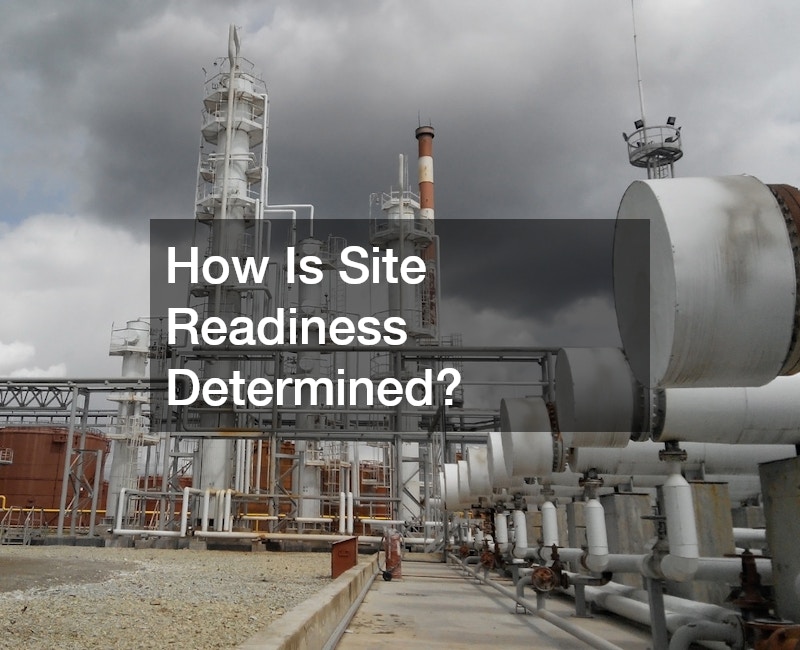
Site readiness is a crucial aspect of any project, especially in fields such as construction, technology deployment, or large-scale events. It refers to the extent to which a particular site meets the necessary criteria and conditions to begin a project effectively. Organizations must evaluate various factors to ensure that the site is prepared for the tasks at hand. This preparation minimizes the risk of delays, ensures safety compliance, and promotes smoother project execution.
In this blog post, we will examine the primary methods and indicators used to determine site readiness and their importance to overall project success.
One of the first steps in determining site readiness is conducting a comprehensive site assessment. This assessment involves evaluating the physical characteristics of the site, such as location, size, and current land use. Environmental factors are also considered during the assessment, including soil quality, existing vegetation, and groundwater levels. This critical phase helps in understanding any potential constraints that might affect the project. A detailed site assessment not only enables decision-makers to gauge the feasibility of their plans but also serves as foundational data for subsequent phases of the project.
Another important factor in determining site readiness is ensuring compliance with local regulations and zoning laws. Different jurisdictions have specific rules that govern what can be built and where, as well as the necessary permits required to proceed with a project. Before any construction or development work begins, it is essential to check the zoning classifications, building codes, and environmental regulations that might apply to the site. Failure to secure the necessary permits can lead to legal issues, fines, and project delays. Therefore, working closely with local authorities and consultants to obtain a thorough understanding of the regulatory landscape is a vital step toward ensuring site readiness.
In addition to assessments and regulatory compliance, stakeholder engagement is a significant contributor to site readiness. Engaging local communities, government agencies, and other stakeholders can provide valuable insights and uncover potential challenges that might not be evident during the initial assessments. By facilitating meaningful discussions and conducting surveys, project developers can gather feedback that enhances the planning process. Building strong relationships with stakeholders can also foster support for the project, which is essential in minimizing opposition and promoting a smoother development process. Thus, stakeholder engagement is a critical component that can directly impact the perception and acceptance of ongoing projects.
Furthermore, preparing a detailed project timeline and action plan is necessary for determining site readiness. This involves breaking down the project into smaller phases, identifying key milestones, and setting deadlines for each stage of the process. A well-structured timeline helps in tracking progress and addressing any issues that arise during the project lifecycle. Implementation of project management tools can also facilitate collaboration among team members, ensuring that everyone is on the same page. Project managers can allocate resources efficiently and make timely adjustments to plans, thereby enhancing the project’s overall success and ensuring the site is aligned with set objectives.
Moreover, assessing site readiness incorporates a review of logistical considerations. This includes evaluating access to transportation networks, availability of utilities, and the capability to support necessary logistics like materials delivery and waste management. The existence of proper infrastructure, such as roads, power, and water supply, significantly affects the feasibility of commencing a project on schedule. By thoroughly understanding these logistical elements, project managers can mitigate risks of delays or disruptions during construction or implementation phases. Ultimately, addressing logistics elevates site readiness and contributes to a holistic approach to project execution.
In conclusion, determining site readiness is a multifaceted process that requires comprehensive assessments, compliance with regulations, stakeholder engagement, fine-tuned action plans, and logistical evaluations. By critically examining these elements, project leaders can ensure that their projects are set up for success, minimizing delays and mitigating risks. Site readiness is not just about preparing the physical space but also about ensuring that all stakeholders are aligned and adequately informed. By taking the time to assess each of these areas, organizations can enhance their project strategy and increase the likelihood of smooth execution. Understanding site readiness can significantly influence the overall outcome of a project, making it a fundamental component of planning and development.