The pest control industry plays a pivotal role in maintaining public health and safety by managing and eliminating pest-related problems. With an array of responsibilities, professionals in this field ensure environments remain safe, hygienic, and pest-free.
On a typical day, pest control workers carry out tasks ranging from site inspections to implementing strategic extermination plans. Each task requires keen attention to detail, technical skill, and a commitment to best practices.
This article explores the multifaceted aspects of working in pest control, shedding light on the daily routines, technologies employed, and the critical safety standards adhered to in the industry.
What Does a Typical Day Look Like in Pest Control?
Morning Preparations and Briefings
Every day in pest control begins with well-organized preparations and briefings to ensure efficient operations. Teams gather to review schedules, discuss upcoming site visits, and ensure all necessary equipment and documentation are in order.
Pest control professionals often start their day by conducting vehicle and equipment checks to guarantee their tools are functioning correctly. This routine is critical in enabling them to respond effectively to pest issues right from the first call.
These morning meetings also provide an opportunity to share insights and updates on new pest control techniques. Constant learning and adaptation are key elements in delivering effective pest management solutions.
Conducting Site Visits and Inspections
Site visits and inspections are at the heart of the pest control profession. Technicians travel to various locations, evaluating the extent of pest problems and developing tailored strategies for eradication.
Each site presents unique challenges, requiring the technician to assess both the severity of infestation and environmental conditions. This step is essential in crafting an effective action plan that minimizes disruption and maximizes efficiency.
Inspections help determine the specific types of pests present, guiding the selection of appropriate extermination methods. Such precision ensures that both active and potential pest issues are comprehensively addressed.
What Tools and Techniques Are Used?
Essential Equipment for Pest Control Technicians
Technicians rely on a blend of traditional tools such as traps, baits, and sprays, complemented by advanced technology like thermal imaging cameras. This combination enables precise detection and targeted intervention.
Equipment versatility is critical, as pest control professionals encounter diverse pest species and behavioral patterns. Having the right tools facilitates quick and effective response, shaping the success of each intervention.
Ensuring that all equipment is properly maintained and calibrated guarantees technicians can deliver high-quality service, minimizing equipment-related downtime during operations.
Modern Techniques and Technologies in Pest Management
Pest management has evolved significantly, incorporating technological innovations to enhance effectiveness. Smart monitoring systems, for example, allow technicians to track pest movements and densities remotely.
Recent advancements in eco-friendly products and biological control methods offer sustainable alternatives to traditional chemical treatments. This shift reflects a broader commitment to environmental stewardship.
Staying abreast of the latest innovations ensures that pest control companies provide top-tier services, keeping up with industry standards and environmentally conscious practices.
How Do Pest Control Professionals Handle Different Types of Pests?
Strategies for Insect Infestations
Handling insect infestations requires targeted strategies based on the specific species involved. Techniques often involve using a combination of chemical and non-chemical methods for efficient results.
Technicians must understand the biology and behavior of insects to deploy effective control measures like insect growth regulators and pheromone traps, effectively curbing their populations.
Constant monitoring and adjustment of strategies ensure that reinfestation is prevented, securing lasting pest-free environments for clients.
Approaches to Vertebrate Pest Management
Varying approaches are required for vertebrate pests, as they often pose a health hazard and can damage structures. Strategies might include the humane trapping and relocation or implementation of exclusion techniques.
Pest control professionals conduct thorough assessments to identify entry points and habits, which shapes the comprehensive management program tailored to the needs of the affected area.
Collaboration with wildlife experts and adherence to regulations ensure ethically and legally compliant pest management practices.
What Safety Measures Are Taken During Pest Control Operations?
Personal Protective Equipment and Protocols
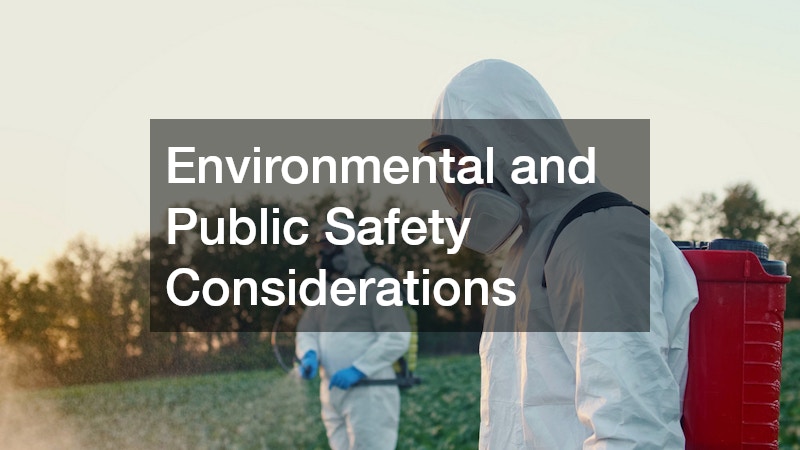
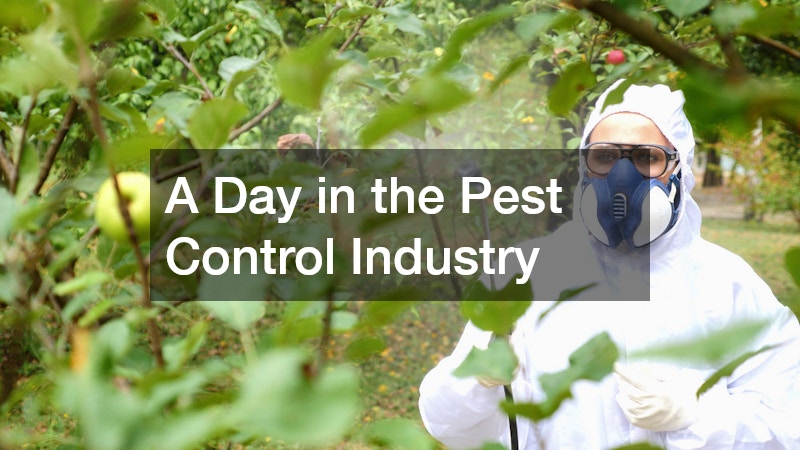
Safety in pest control is paramount, requiring the use of personal protective equipment (PPE) such as masks, gloves, and protective suits to reduce exposure to hazardous chemicals.
Technicians are trained in the correct use and disposal of PPE, maintaining hygiene standards and preventing contamination during operations. Proper use of PPE ensures the well-being of both staff and clients.
Routine drills and safety briefings cultivate a proactive safety culture, reducing accidents and promoting health and safety throughout the workplace.
Environmental and Public Safety Considerations
Professionals prioritize environmental safety by selecting products with minimal ecological impact and applying them judiciously. This approach underscores their commitment to protecting biodiversity.
Protocols are in place for appropriate waste disposal and preventing chemical runoff, helping to safeguard the public from inadvertent exposure to hazardous materials.
Continuous education and adherence to regulatory standards enhance the industry’s credibility and ensure operations are in harmony with environmental protection efforts.
How Do Pest Control Companies Ensure Customer Satisfaction?
Client Communication and Service Quality
Open lines of communication between pest control technicians and clients are integral in managing expectations and providing timely updates on intervention progress.
Detailed assessments and transparent reporting enable clients to understand the process, setting a basis for trust and long-lasting customer relationships.
Customization of services to address specific client needs is a hallmark of quality service, fostering positive client experiences and building a reputable business.
Follow-up and Feedback Mechanisms
Efficient follow-up systems allow technicians to verify the efficacy of treatments, ensuring pest issues are fully resolved and preventing potential recurrences.
Soliciting feedback from clients helps companies identify areas for improvement and confirms client satisfaction, reinforcing a client-focused approach.
Long-term partnerships with clients often result from diligent follow-up services, reinforcing the company’s commitment to exemplary service and pest management solutions.