
Acquiring a commercial property represents a monumental milestone for any enterprise. It is an endeavor filled with immense potential, yet it also carries substantial financial and operational risks. Moving from the initial property search to the day the doors swing open requires a meticulous approach. Business leaders cannot rely on intuition alone when navigating the complexities of commercial real estate. Every decision, from evaluating the physical structure to verifying local zoning ordinances, impacts the long-term profitability of the venture. A structured blueprint acts as a guiding light through this intricate journey, ensuring no detail is overlooked.
This complex process demands patience, resilience, and a clear vision from start to finish. Organizations must synchronize multiple moving parts simultaneously to avoid common pitfalls that derail poorly managed acquisitions. Whether dealing with historical buildings requiring extensive repairs or modern spaces needing simple aesthetic updates, the fundamental steps remain remarkably consistent. This comprehensive guide outlines the vital stages of the acquisition process, highlighting how strategic planning and expert collaboration pave the way for a successful launch. By understanding the steps involved, investors can minimize unexpected costs and maximize the value of their new asset. The journey involves a series of calculated phases, starting with deep research and ending with operational readiness. When executed correctly, this transition turns a physical building into a thriving hub of commercial activity that supports the core objectives of the enterprise for years to come.
Financial Evaluation and Partner Selection
Before signing any letters of intent, an investor must look deep into the financial realities of the target property. This phase goes far beyond reviewing the list price or estimating potential monthly rent. It requires an analysis of historical operating expenses, utility costs, real estate tax histories, and projected capital expenditures. Uncovering hidden liabilities during this early period prevents cash flow issues down the line.
To achieve an accurate financial picture, smart buyers collaborate with a qualified accounting firm early in the process. These financial experts analyze cash flow statements, identify tax optimization strategies, and evaluate the true return on investment. They help buyers understand structural tax benefits, such as cost segregation studies, which can accelerate depreciation and free up valuable capital. Furthermore, having a professional team review the seller’s financial disclosures ensures that the buyer is not inheriting artificial inflation of revenue or understated maintenance costs. This financial clarity forms the bedrock upon which all subsequent acquisition decisions are built, giving the buyer the leverage needed to negotiate a fair purchase price.
Navigating the Legal Landscape of Real Estate

The legal framework surrounding commercial property transactions is notoriously complex. Buyers must navigate a maze of titles, easements, zoning restrictions, and existing tenant leases. Failing to identify a restrictive covenant or an unresolved boundary dispute can halt a project indefinitely or lead to expensive courtroom battles.
To mitigate these substantial hazards, retaining a specialized business litigation law firm is an indispensable step in the due diligence phase. These legal professionals thoroughly examine the purchase agreement, identify ambiguous language, and ensure the buyer’s interests are fully protected against future liability. They also review existing vendor contracts and tenant agreements that might transfer upon ownership change. If a dispute arises regarding property lines, zoning variances, or environmental non-compliance, having experienced litigators on their side ensures swift resolution. Their expertise helps insulate the business from predatory lawsuits and unforeseen legal entanglements. Investing in comprehensive legal oversight before the closing date provides peace of mind and secures the contractual foundation of the entire real estate investment.
Protecting Intellectual Property and Brand Identity
A physical location is intimately tied to a company’s brand identity and public perception. When moving into a new commercial space, businesses often update their marketing materials, signage, and localized branding. However, many executives overlook the intellectual property risks associated with expanding into new geographic markets or establishing a new physical presence. It is critical to ensure that the chosen business name, localized slogans, and architectural branding elements do not infringe on existing trademarks.
Consulting with experienced trademark attorneys prior to launching a new location avoids the devastating costs of forced rebranding campaigns. These specialists conduct comprehensive searches to verify that corporate brand assets are completely clear for local and national use. They help register new marks and defend the corporate identity from competitors who might try to capitalize on expansion. By securing intellectual property early, companies prevent costly legal challenges that could disrupt the grand opening. Protecting brand assets ensures that marketing investments build long-term equity and that customers can easily identify the business without confusion.
Risk Mitigation and Securing the Asset

Once the financial and legal frameworks are secure, the focus must shift toward comprehensive risk management. Commercial properties face a wide array of physical and operational threats, ranging from natural disasters and structural failures to slip-and-fall accidents. Navigating these exposures requires a proactive approach to asset protection.
Securing comprehensive insurance coverage is a fundamental prerequisite before taking ownership of the property. This step protects the buyer from immediate liabilities that could manifest the moment the deed transfers. This involves more than just a standard commercial property policy. Instead, a robust strategy must compile specialized protections:
- General liability coverage for on-site injuries
- Business interruption insurance for forced operational delays
- Environmental hazard coverage for localized site liabilities
An experienced agent can evaluate the specific geographic risks of the site, such as flood zones or seismic activity, and recommend appropriate policy limits. Additionally, adequate coverage ensures that if renovations are delayed by unforeseen events, the financial impact on the business is minimized. Properly structured policies protect the capital investment and provide a safety net that keeps the project viable during challenging times. By prioritizing risk mitigation, owners safeguard their physical assets and ensure the long-term continuity of their business operations.
Architectural Vision and Spatial Planning
With the keys in hand, the exciting phase of transformation begins. Rarely does a purchased commercial building perfectly match the operational workflow of its new owner. Structural modifications, aesthetic updates, and spatial reconfigurations are almost always necessary to optimize the space for daily business activities.
This process begins with a comprehensive site design that balances functional necessity with visual appeal. Designers look at how vehicles enter the property, how pedestrians navigate walkways, and how interior spaces connect seamlessly. Good planning maximizes the utility of every square foot, improving employee efficiency and enhancing the overall customer experience. It also addresses practical needs, such as delivery access, waste management placement, and compliance with accessibility laws. Transforming the physical environment requires a deep understanding of how people interact with spaces. By investing time in detailed architectural planning, owners can avoid bottlenecks, improve energy efficiency, and create an inviting atmosphere that reflects their corporate values. A well-executed layout sets the stage for all subsequent construction and interior renovation work.
Safety Compliance and Building Systems
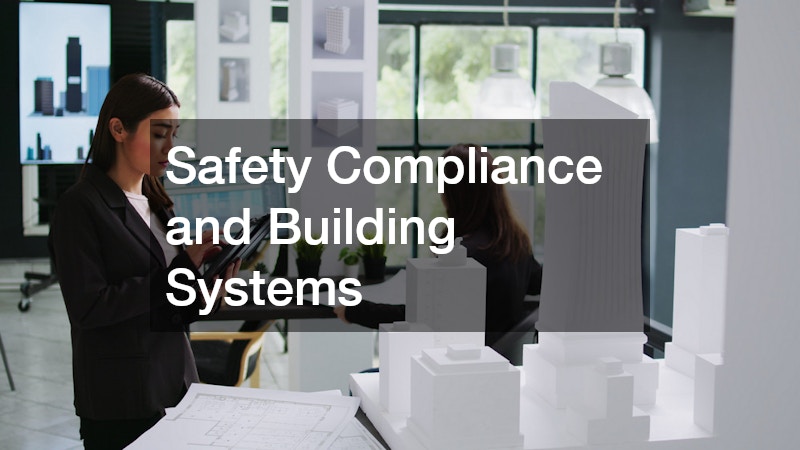
While aesthetic choices catch the eye, the mechanical, electrical, and plumbing systems form the true backbone of any commercial property. Modernizing these systems is critical for operational reliability, energy efficiency, and regulatory compliance. Local building codes are strict, particularly regarding life safety systems and fire prevention measures. Failing to meet these standards can result in failed inspections, costly project delays, and severe fines.
During the renovation phase, partnering with a certified fire sprinkler designer is essential to ensure the building meets all current safety codes. These specialized professionals calculate water supply requirements, determine optimal pipe routing, and strategically place sprinkler heads to maximize coverage. They ensure the system integrates perfectly with the existing architecture without compromising the design layout. Upgrading fire suppression systems protects not only the physical asset but also the lives of future employees and patrons. Beyond personal safety, modern systems often lead to lower insurance premiums, providing long-term financial benefits. Prioritizing life safety infrastructure during renovations creates a secure environment and ensures a smooth approval process from local municipal inspectors.
Enhancing Curb Appeal and Outdoor Assets
First impressions are formed long before a client steps inside a building. The exterior of a commercial property acts as a silent ambassador for the brand, signaling professionalism and attention to detail. Neglected landscaping, cracked walkways, and outdated exterior features can turn away potential customers before they ever see the products or services. Revitalizing outdoor spaces involves a combination of strategic landscaping, modern lighting, and the repair of decorative architectural features.
For properties featuring historical elements or artistic water displays, investing in professional fountain restoration can dramatically elevate the property’s curb appeal. Restoring these focal points adds an air of sophistication and elegance to the exterior environment, turning a plain commercial lot into a memorable landmark. Beyond aesthetics, exterior updates must address structural integrity, ensuring that walkways are level and well-lit to prevent accidents. A clean, beautiful exterior invites people inside and sets a positive tone for their entire interaction with the business. By dedicating resources to exterior revitalization, owners can significantly increase the perceived value of their property.
Interior Transformation and Material Selection

Moving inside, the focus turns to creating an environment that is both beautiful and durable. The materials selected for walls, counters, and floors must withstand the heavy daily foot traffic common in commercial spaces. Balancing aesthetic desires with practical maintenance requirements is a major challenge during the interior fit-out phase.
Choosing the right flooring is one of the most critical decisions an owner will make, as it impacts everything from acoustics to safety. Hardwood offers timeless elegance but may require extensive upkeep, while luxury vinyl tile provides durability and a wide range of design options. In office settings, commercial-grade carpet tiles offer excellent sound dampening and can be easily replaced if damaged. The material chosen must align with the daily operational realities of the business; a medical clinic requires easily sanitized surfaces, while a high-end boutique demands a luxury aesthetic. Working with experienced interior contractors ensures that materials are installed correctly, preventing premature wear and tripping hazards. Proper installation also maintains manufacturer warranties, protecting the substantial investment made in these physical finishes. A thoughtful interior layout, anchored by high-quality materials, creates a professional atmosphere that inspires employees and welcomes visitors.
Post-Construction Cleaning and Detailing
As the hammers fall silent and the contractors pack up their tools, the property enters the final preparation phase. Although the construction work is complete, the space is rarely ready for immediate occupancy. Dust, drywall residue, adhesive spots, and paint overspray often cover almost every surface, masking the beauty of the new renovations. A standard surface wipe-down is insufficient to handle the heavy grime left behind by a major build-out.
Hiring a professional commercial carpet cleaning company is vital to remove embedded construction dust and restore the pristine appearance of new fabrics and fibers. These specialists use industrial-grade equipment to extract deep-seated particles, ensuring the indoor air quality is safe and clean for everyone. They also clean hard surfaces, wash windows inside and out, and sanitize restrooms and break areas. A thorough, deep clean brings out the true colors and textures of the design choices, making the entire space shine. This meticulous attention to cleanliness ensures that when stakeholders and customers arrive, they see a flawless, professional environment that reflects a commitment to quality.
Operational Readiness and the Grand Opening
The final phase of the blueprint involves transitioning from a construction zone to a fully operational business. This step requires setting up logistical systems, training staff, testing equipment, and establishing ongoing property maintenance plans. A flawless opening day is the result of careful planning for all seasons and operational contingencies.
For businesses opening in regions prone to severe winter weather, establishing a contract with a reliable commercial snow removal company is a critical part of operations. Ensuring that parking lots and sidewalks are cleared promptly keeps the business accessible and safe, preventing costly disruptions on crucial operating days. With maintenance plans set, the focus turns to marketing the grand opening events. Ribbon-cutting ceremonies, local media invitations, and special promotions can generate buzz and drive immediate foot traffic. The grand opening is not just a celebration; it is a live test of operational readiness and a chance to make a lasting impression on the community. By executing every step of the acquisition blueprint, businesses can confidently step into their new space, ready for long-term growth.