
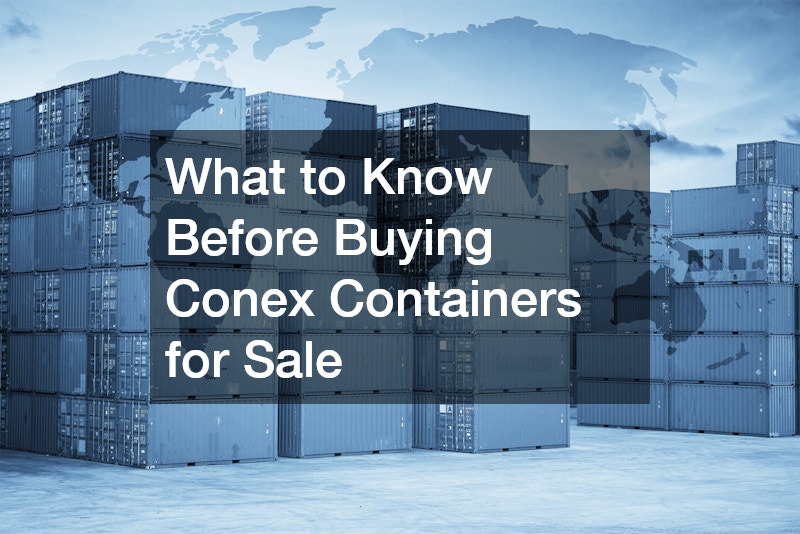
Conex containers, also known as shipping containers, have become indispensable in modern logistics and storage solutions. Their robust design, coupled with versatility, makes them suitable for various applications ranging from shipping to on-site storage and even conversion into habitable spaces. Before purchasing a Conex container, it is crucial to consider several factors to ensure you get the most value out of your investment. This article delves into these considerations, equipping you with comprehensive insights to make informed purchasing decisions. As an essential asset in numerous industries, understanding the nuances of Conex containers can significantly impact operational efficiency and cost-effectiveness.
1. Why Choose Conex Containers?
1.1 Durability and Strength
Conex containers are renowned for their extraordinary durability and strength. Crafted from high-grade steel, these containers are designed to withstand harsh environmental conditions, making them ideal for long-term use. Whether you are shipping goods across continents or setting up a temporary storage facility, the structural integrity of Conex containers offers unrivaled protection. Their ability to endure heavy loads and resist wear and tear ensures your assets remain safe and secure. Moreover, investing in a durable Conex container minimizes the need for frequent replacements, providing long-term cost savings.
1.2 Versatility of Usage
The versatility of Conex containers extends beyond traditional shipping roles. These containers have found applications in industry sectors like construction, retail, and agriculture. For instance, in construction, they serve as portable offices and tool sheds due to their mobility and sturdiness. Retail businesses convert them into pop-up shops, capitalizing on their adaptability and ease of modification. Additionally, in agriculture, they are used for controlled environment agriculture, offering a climate-controlled space for growing crops year-round.
1.3 Cost-Effectiveness
Choosing Conex containers is often more economical compared to other storage and transportation options. The initial purchase or leasing cost is offset by their longevity and minimal maintenance requirements. Businesses can maximize savings by using these containers for multipurpose applications, such as temporary living quarters or mobile service units. Furthermore, purchasing used Conex containers is a cost-effective alternative that does not compromise performance. The flexibility they offer in various configurations translates to value across diverse business operations, enhancing overall cost-efficiency.
1.4 Availability and Accessibility
Conex containers are readily available in markets worldwide, ensuring easy accessibility for buyers. Numerous suppliers and resellers offer a wide range of options, from new to used containers. This abundance enables buyers to find competitive pricing and favorable deals. Furthermore, the logistical framework surrounding the availability of Conex containers ensures quick and straightforward delivery to various locations. This accessibility represents a significant advantage for businesses requiring prompt storage solutions.
1.5 Eco-Friendliness and Sustainability
Integrating Conex containers into your business aligns with sustainability and eco-friendly practices. These containers are often repurposed and reused, minimizing waste and reducing the demand for new materials. Their recyclability promotes environmental responsibility, as steel components can be melted down and repurposed. Building environmentally sustainable structures using Conex containers is becoming increasingly popular in eco-conscious industries. Furthermore, when used as modular units for housing or office spaces, they contribute to reducing the carbon footprint associated with traditional construction methods.
2. What Sizes of Conex Containers Are Available?
2.1 Standard Sizes Overview
Conex containers come in various standard sizes, with the most common being 20-foot and 40-foot lengths. The width and height are typically eight feet, with the 40-foot high-cube variant offering an additional foot in height. These standardized dimensions facilitate efficient stacking and transportation globally, adhering to international shipping regulations. Their uniform size simplifies logistics management for businesses, ensuring compatibility across different modes of transport. Whether transporting large shipments or setting up storage on-site, choosing the appropriate size is vital for operational efficiency.
2.2 Custom Size Options
Beyond standard sizes, custom-sized Conex containers address unique business needs. Companies requiring specialized configurations for specific operations can commission containers tailored to particular dimensions. This flexibility is vital for industries with unique storage requirements or those looking to optimize space usage. Customization options include alterations in length, width, and height to better suit operational demands. Investing in custom containers can enhance space efficiency and elevate the functionality of the storage solution.
2.3 Comparing Small vs Large Containers
The choice between small and large Conex containers depends on your specific requirements. Small containers offer the advantage of being easily maneuverable and are ideal for confined spaces or limited storage needs. Large containers, however, accommodate more goods and are suited for extensive storage requirements or transporting bulk items. Businesses must assess their volume needs, budget constraints, and space availability when making this decision. Ultimately, the objective is to align the container size with the intended use to ensure operational efficiency and cost-effectiveness.
2.4 Considerations for Container Height
Choosing the appropriate container height is crucial, especially when dealing with high-cube containers. Standard containers offer eight feet in height, while high-cube variants provide an additional foot, making them suitable for tall or oversized cargo. The decision to opt for high-cube containers should consider factors such as the nature of the cargo, required storage space, and transportation logistics. Additionally, businesses should evaluate the infrastructure available for handling high-cube containers, ensuring smooth loading and unloading operations. The increased height may also prove beneficial for conversion into living or office spaces, offering more headroom and comfort.
2.5 Volume and Weight Specifications
Understanding volume and weight specifications is essential when purchasing Conex containers. Each container has a maximum weight capacity it can safely handle, which is crucial to prevent overloading during shipping or storage. The interior volume determines how much cargo can be efficiently stored without compromising the container’s structural integrity. Businesses must carefully evaluate their loading requirements against these specifications to ensure safe and effective operations. By doing so, they can maximize the utility of the container while maintaining safety standards and compliance.
3. How to Assess the Condition of Used Conex Containers?
3.1 Inspection Checklist
Before investing in a used Conex container, it is imperative to conduct a thorough inspection using a comprehensive checklist. Begin by examining the exterior for any visible dents, rust, or signs of damage that might compromise the container’s structural integrity. It’s also important to check the container’s floor, ensuring it’s intact and free from rot, especially if it is made of wood. Doors should align correctly, open easily, and seal properly to prevent water or air leaks. The roof should be inspected for any potential leaks or holes that could lead to water damage.
3.2 Importance of Structural Integrity
One of the most critical aspects to evaluate in used Conex containers is the structural integrity. Even minor structural damage can escalate under heavy loads, posing risks during transport or storage. Key areas to inspect include the corner posts and beams, ensuring they are unbent and securely welded. The welds themselves should be checked for any signs of fatigue or corrosion, which could indicate compromised load-bearing capacity. By prioritizing structural integrity, you protect your investment and ensure the safety of personnel interacting with the container.
3.3 Detecting Rust and Corrosion
Rust and corrosion are common concerns when assessing used Conex containers, particularly older models. They can significantly weaken the metal structure, leading to potential leaks and decreased lifespan. Focus on areas prone to moisture exposure such as seams, edges, and around the doors. Surface rust may not always be a major issue if addressed promptly, but deeper corrosion requires careful evaluation to understand the impact on the container’s durability. Employ rust prevention treatments or repairs as necessary to extend the container’s service life.
3.4 Ensuring Door Functionality
Functional doors are vital for maintaining security and ease of access to the contents of a Conex container. The doors must open and close smoothly without requiring excessive force, indicating proper alignment and hinge functionality. Check the locking mechanisms to ensure they operate effectively, providing peace of mind for storage security. Inspect seals for any cracks or wear that might lead to water ingress. Given the role of doors in maintaining the usability of the container, prioritizing their maintenance pays off in operational reliability.
3.5 Verifying Water and Wind Tightness
Ensuring a Conex container is both water and wind tight is paramount before finalizing any purchase. These properties ensure that stored goods remain protected from environmental elements such as rain, wind, and dust. Examine the container’s seals and gaskets, particularly around doors and joints, for any degradation. Conduct a moisture test if possible, checking for any evidence of rust or water staining inside the container. Adequate water and wind tightness guarantee that the container retains its value and functionality over time.
4. What Are the Legal and Regulatory Considerations?
4.1 Zoning and Permits
Before placing a Conex container on your property, familiarize yourself with local zoning laws and permit requirements. Certain jurisdictions have specific regulations about where and how you can use shipping containers, particularly in residential or urban areas. Obtaining the necessary permits not only ensures compliance but also helps avoid potential legal disputes or fines. Engage with local authorities to understand the nuances of applicable laws and adhere to any stipulations regarding container placement or modifications. Respecting zoning laws promotes harmonious community relations and facilitates smoother operations.
4.2 International Shipping Regulations
When using Conex containers for international shipping, understanding relevant regulations and standards is essential. Different countries may have varied requirements concerning container condition, labeling, and customs clearance. Ensuring compliance with international regulations enhances efficiency in shipping operations and prevents delays at ports. Collaborate with logistics providers that are knowledgeable about global shipping laws and possess experience in handling Conex containers. Preparing documentation meticulously and adequately tagging the container can minimize complications during transit.
4.3 Safety Standards and Compliance
Adhering to safety standards and compliance requirements is non-negotiable when utilizing Conex containers. This includes compliance with international standards such as ISO standards for container construction and CSC plate certifications indicating seaworthiness. Regular inspections and maintenance help meet safety standards, maintaining the integrity of the containers in use. Businesses should educate their workforce about safety protocols when handling and accessing Conex containers to prevent accidents. Prioritizing safety not only protects employees but also enhances the longevity and utility of the assets.
4.4 Insurance and Liability
Securing appropriate insurance coverage is a prudent step in mitigating risks associated with Conex container ownership. Insurance policies can cover potential liabilities such as damage, theft, or injuries occurring around the containers. Evaluate insurance options that cater to your specific use cases, whether for storage, transportation, or conversion into living spaces. Understanding the extent of liability and coverage helps you better prepare financially against unforeseen incidents. Fostering a clear understanding with your insurance provider about coverage limits and conditions is beneficial for operational security.
4.5 Environmental Considerations
Conserving the environment positively impacts community and business reputations, making environmental considerations vital when deploying Conex containers. Opting for eco-friendly practices like repurposing or recycling existing containers aligns with sustainable development goals. Businesses can explore sustainable alternatives, such as solar panels, to enhance the energy efficiency of converted container spaces. Compliance with environmental regulations ensures protection against legal repercussions and enhances corporate responsibility. Embracing green initiatives not only preserves the environment but also appeals to a more conscientious consumer base.
5. How to Choose a Reliable Supplier or Dealer?
5.1 Evaluating Supplier Reputation
Selecting a reputable supplier or dealer is crucial for a positive purchasing experience and long-term satisfaction. Conduct thorough research on potential suppliers through online reviews, testimonials, and industry forums. Word-of-mouth recommendations from trusted partners can offer valuable insights into supplier reliability and quality assurance. Ensure the supplier has a proven track record in delivering high-quality Conex containers and excellent customer service. Establishing a relationship with a reputable dealer minimizes risks and reinforces confidence in your investment.
5.2 Comparing Pricing and Transparency
Price comparison among suppliers is essential to obtaining fair value for your investment in Conex containers. Transparent pricing practices, including detailed itemized quotations, indicate a trustworthy supplier. Compare costs alongside service offerings, such as warranty terms, delivery logistics, and customization options, to determine the best value. Having clear communication with the supplier allows for negotiating favorable terms that suit your budget and requirements. Transparency fosters trust and ensures a straightforward transaction without hidden costs.
5.3 Customer Service and Support
Outstanding customer service and support distinguish exceptional suppliers from average ones. Reliable suppliers prioritize responsive communication, addressing inquiries and concerns promptly for smooth transactions. Assess the support services offered, such as after-sales support, maintenance programs, and parts replacement policies. Choose suppliers committed to fostering positive customer relationships, ensuring satisfaction throughout the purchasing process and container lifecycle. Building a rapport with a supportive supplier enhances peace of mind and operational fluidity.
5.4 Quality Assurance and Warranties
Quality assurance and favorable warranty terms are vital considerations when selecting a Conex container supplier. Suppliers who offer guarantees on their products demonstrate confidence in quality and commitment to customer satisfaction. Evaluate warranty conditions carefully, understanding coverage extent, duration, and obligations in the event of defects or failures. Confirm that the supplier adheres to international standards and practices in quality assurance and manufacturing protocols. Ensuring proactive quality assurance upholds the integrity and value of your investment over time.
5.5 Delivery Options and Logistics
Comprehensive delivery options and logistics support streamline the process of obtaining Conex containers from suppliers. Key considerations include container transport methods, estimated delivery timeframes, and additional charges associated with delivery services. Flexible delivery solutions accommodate varying project deadlines and locational constraints, ensuring timely availability of purchased containers. Reliable suppliers facilitate seamless delivery through their logistics network, minimizing disruptions and associated challenges. By prioritizing effective logistics, businesses can maintain their operational momentum without delays.
Investing in Conex containers for sale necessitates a careful evaluation of factors such as size, condition, legal considerations, and supplier reliability. These durable and versatile structures offer a cost-effective solution for storage and transportation, benefiting a myriad of industries worldwide. By understanding the implications of each purchase decision and adhering to best practices, businesses can optimize the value and functionality of their containers. Navigating the complexities confidently aligns your operations with strategic goals and enhances overall efficiency and sustainability. Engage with these insights to elevate your Conex container procurement strategy, anchoring a robust investment in infrastructure.